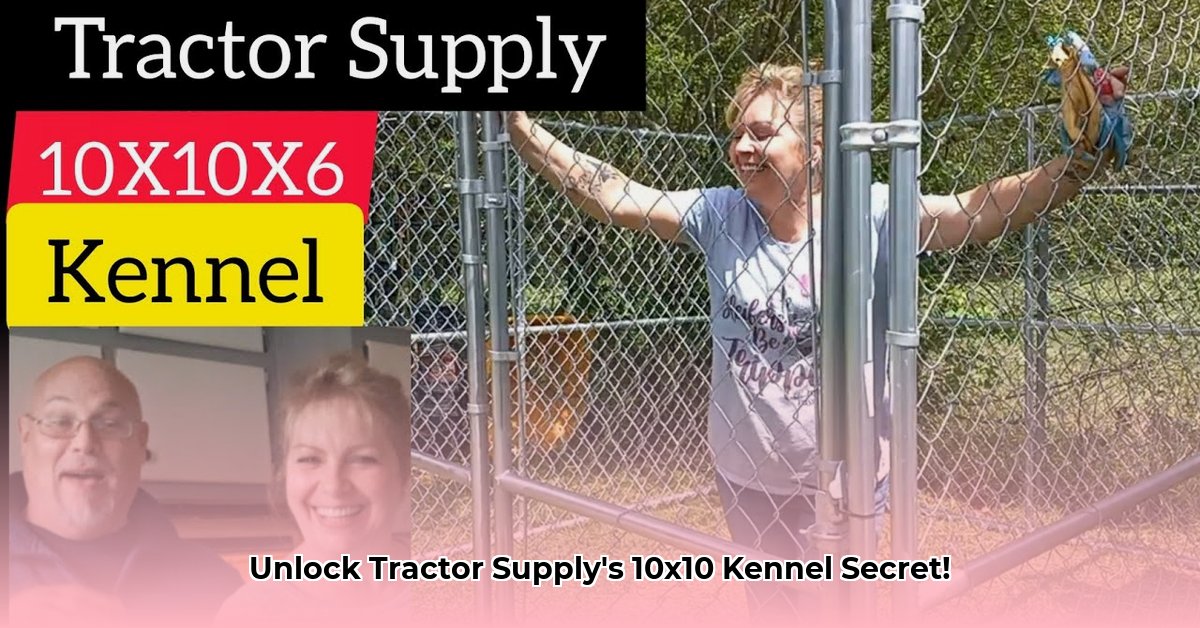
Unexpected Uses for a Simple Kennel
A Tractor Supply 10x10 kennel might seem an unlikely element in sustainable farming, but with creative adaptation, it can offer surprising versatility. Beyond its primary function as a dog house, this simple structure presents several opportunities to enhance your farm's efficiency and sustainability. Let's explore these possibilities.
For more kennel options, check out these Tractor Supply kennel options.
Temporary Animal Shelter and Livestock Guard Dog Training
The kennel can provide temporary shelter for vulnerable animals, like newborn lambs or sick goats, protecting them from the elements and predators. Furthermore, it plays a vital role in the training of livestock guard dogs, providing a secure space for rest and controlled introductions to the livestock. This controlled environment is key to successful integration.
Protecting Young Livestock and Poultry
For young, susceptible animals, the kennel offers a safe haven, a key benefit for smaller breeds or those particularly vulnerable to predators or harsh weather conditions. Similarly, a modified kennel can serve as a secure coop or even a quarantine area for poultry, minimizing disease spread. Think of it as a low-cost, adaptable isolation ward for your birds.
Tool and Equipment Storage
When space is at a premium, a sturdy kennel can provide secure storage for small tools and equipment, particularly important for protecting against theft or weather damage. This reduces the need for more expensive storage solutions.
Enhancing Sustainability: Modifications and Considerations
To fully integrate a kennel into your sustainable practices, thoughtful modifications are vital.
Ventilation and Insulation
Adequate ventilation is crucial for animal welfare, preventing overheating, particularly in hot climates. Consider adding vents or using breathable coverings. Similarly, insulation, potentially using recycled materials, improves year-round usability, reducing energy consumption for heating or cooling. This directly contributes to lower energy costs.
Material Choices and Environmental Impact
Evaluate the kennel's materials (plastic or treated wood) to assess their alignment with your broader sustainability aims. Exploring long-term, eco-friendly alternatives can further enhance the kennel's sustainability profile. This involves a commitment to minimizing the environmental footprint of your operations.
A Comparative Analysis: Pros and Cons
| Pros | Cons |
|---|---|
| Affordable and readily available | Limited lifespan compared to bespoke structures |
| Easy assembly and relocation | May need modifications for optimal functionality |
| Versatile applications | Size restrictions could limit usability |
| Cost-effective solution for several uses | May not withstand extreme weather without modifications |
Precision Irrigation: A Cornerstone of Sustainable Arid-Land Farming
Water scarcity in arid climates presents a major challenge for sustainable agriculture. Precision irrigation techniques offer a powerful solution, optimizing water delivery and maximizing yields. Let's delve into the strategies for successful implementation.
Precision Irrigation: Optimizing Water Delivery
Precision irrigation, whether drip irrigation or micro-sprinklers, targets water delivery directly to plant roots, minimizing evaporation and maximizing water use efficiency. Sensors monitor soil moisture, triggering irrigation only when necessary. This approach translates to cost savings and healthier plants.
Biotechnological Advancements: Breeding for Resilience
Biotechnological advancements, such as gene editing and marker-assisted selection (MAS), are crucial. Scientists are developing drought-resistant crop varieties, enhancing their ability to thrive in water-scarce environments. This genetic resilience complements precision irrigation strategies.
A Step-by-Step Guide to Precision Irrigation Implementation
- Assessment: Evaluate water resources and soil conditions.
- System Selection: Choose appropriate irrigation technology (drip, micro-sprinklers).
- Installation and Calibration: Ensure optimal efficiency.
- Monitoring and Adjustment: Regularly check soil moisture and adjust schedules.
- Data Integration: Use sensor data for fine-tuning irrigation.
- Maintenance and Upgrades: Sustain peak performance through regular maintenance.
Advantages and Disadvantages of Precision Irrigation
| Feature | Pros | Cons |
|---|---|---|
| Water Use | Significantly reduces water consumption. | Higher initial investment. |
| Yield | Increased yields due to reduced water stress and optimized delivery. | Requires technical expertise. |
| Cost | Long-term cost savings through lower water bills and higher yields. | Potential equipment malfunctions. |
| Environmental | Minimizes water waste and reduces environmental impact. | Dependence on technology and reliable power supply. |
This combined approach – innovative use of readily available resources like the 10x10 kennel, alongside technological advancements in precision irrigation and drought-resistant crops – is crucial for creating a sustainable and resilient agricultural future in arid regions. The efficiency gains and environmental benefits underscore the importance of these strategies.